
A Critical Look at Why Nostradamus Predictions Shouldn’t Be Taken Seriously
NOSTRADAMUS – Here are reasons why Nostradamus predictions shouldn’t be taken seriously.
Nostradamus was a French physician, astrologer, and alleged prophet who lived in the 16th century. His full name was Michel de Nostredame. The collection of prophetic quatrains known as “Les Prophéties,” which was originally published in 1555, is the main source of his fame.
The predictions of Nostradamus remain fascinating and captivating, yet upon closer examination, it becomes evident that approaching his prophecies for 2024 and the future requires a careful and skeptical mindset.
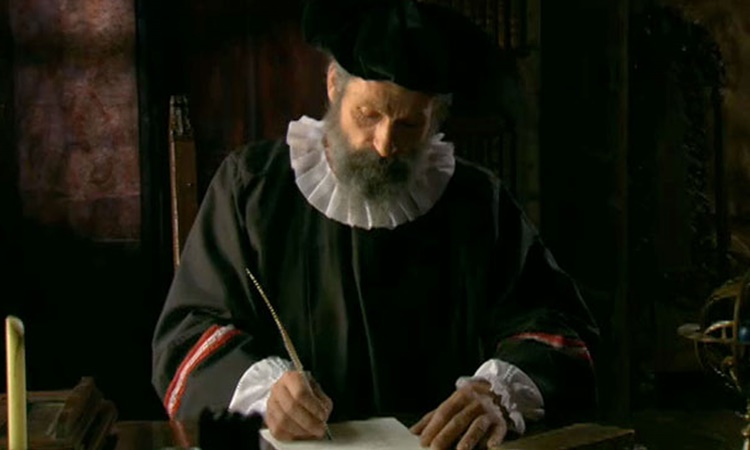
Lack of Specificity:
Nostradamus’ quatrains are renowned for their lack of clarity and uncertainty, providing room for diverse interpretations. This ambiguity allows his followers to retrofit the verses to virtually any event post hoc, preventing the identification of precise details or timelines in his predictions.
Postdiction vs. Prediction:
A significant portion of the prophet’s alleged predictions actually falls into the category of “postdiction.” In essence, his followers attribute historical events to his prophecies after they have transpired, rather than accurately forecasting future occurrences. This tendency complicates the distinction between genuine predictions and retrospectively assigned meanings.
Cherry-Picking:
Advocates of the prophet often engage in cherry-picking, choosing verses that seem to align with actual events while disregarding those that don’t. This selective interpretation reinforces confirmation bias and exaggerates his prophetic abilities.
The Barnum Effect:
Nostradamus’ writings are susceptible to the Barnum Effect, a psychological phenomenon where individuals perceive vague or general statements as personally significant.
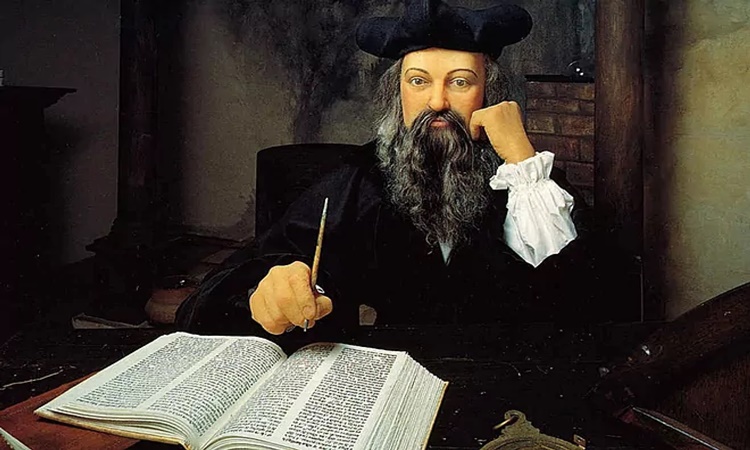
Historical Context:
The astrologer composed his works during a period of political and religious turmoil in Europe. His verses frequently referenced contemporary events and figures, posing a challenge in applying them to the modern world. Additionally, his predictions were often embedded in the language and symbolism of his era, translating the present-day complex.
Failed Predictions:
His track record is replete with unfulfilled predictions. Many of his prophecies never came to pass, and some widely missed the mark in describing historical events.