
The project to benefit the people of Tondo was in line with the 10-point socio-economic agenda of the Duterte administration to help the low income class
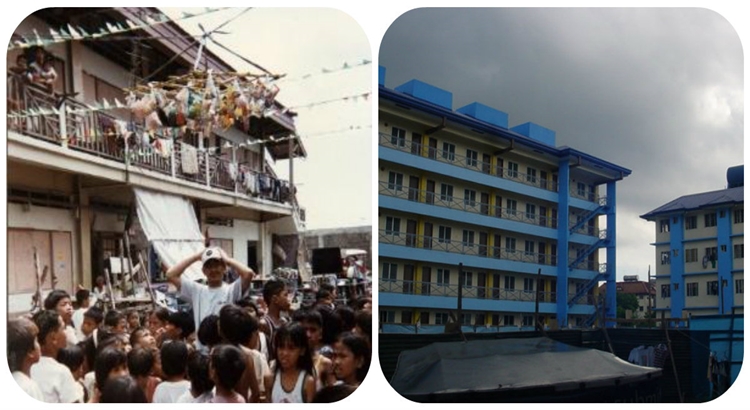
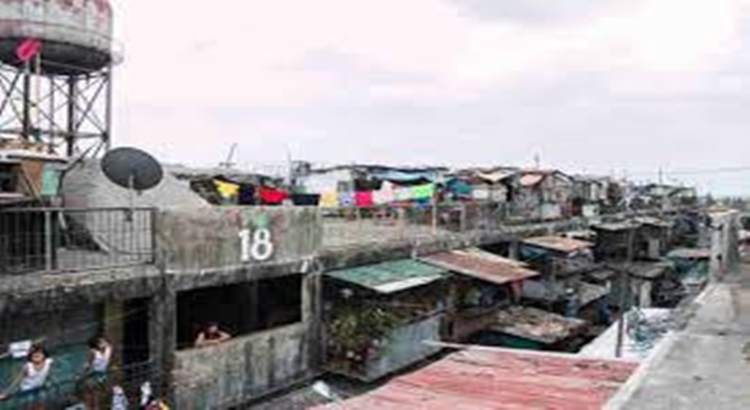
Tondo is noted for being a land mass of informal settlers but the Duterte administration is helping the people out by pouring out P10 billion to afford them homes.
Recently, the Board of Investments (BOI) has signaled a thumbs up for a P10.18 billion project for low-cost housing in Tondo in Manila City.
According to a government press release, the project to be handled by Tondo Holdings Corporation (THC), is a part of the Preferred List of Economic and Low-Cost Housing under the Book I of Executive Order No. 226, otherwise known as the Omnibus Investments Code of 1987.
The project also complies with the guidelines of the Investment Priorities Plan (IPP).
According to Rodolfo Ceferino, the managing head of the BOI, the project was in line with the 10-point socio-economic agenda of President Rodrigo Duterte in the aim to aid the lower income class through the creation of employment and affordable housing.
According to Ceferino, the project will go a long way in order to address the huge demands for affordable housing among the rising number of people belonging to the middle class.
The project, dubbed as “Urban Deca Homes Manila”, is expected to start by January 2017.
Thirteen mid-rise buildings with a total capacity of 13, 212 units will rise in 85 thousand square meters of land in Vitas, Tondo, Manila City.
The units will cost P700 thousand to P2 million each, including studios of 22.95 square meters wide, one bedroom unit of 27.42 square meters wide, and two bedroom units of 32.18 square meters and 30.6 square meters.
The project includes a compound that will have a community mall and a playground for children.
The Philippines has a backlog on housing of around 5.7 million units, according to the Housing and Urban Development Coordinating Council (HUDCC).
The HUDCC warned that the backlog can reach 12.3 million units by year 2030 if the government will not act on it.
As of October 2016, the Board of Investments has approved 996 housing projects with an aggregate capacity of around 464 thousand units.
It represents 10.1 percent of the housing backlog for low-cost housing between years 2001 to 2015.
The Department of Trade Industry (DTI) has earlier encouraged property developers to help the government produce more affordable housing units.