
Historian Narrates Tradition of Crucifixion Every Holy Week
Here is the origin of how the tradition of crucifixion during Holy Week began, according to some popular historians.
Every Holy Week in the Philippines, some Catholic devotees take part in acts of sacrifice as a way to show faith and devotion. One of the most well-known practices is the reenactment of crucifixion, where individuals allow themselves to be nailed to a cross.
For many, this act is a form of repentance and a way of honoring the sacrifice of Jesus Christ. The roots of this tradition can be traced back to the Spanish colonial period. According to historians, Spanish priests introduced forms of penitence to Filipinos, especially among men.
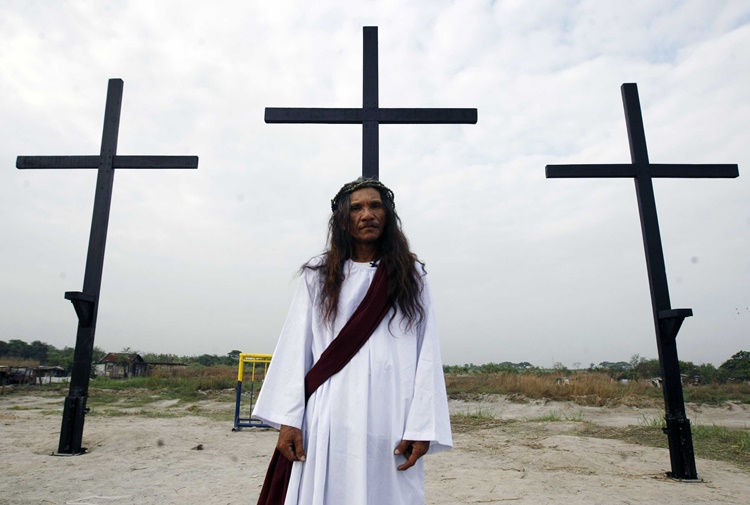
One early practice was called discipline, where individuals would whip themselves as a sign of sorrow for their sins. This act of self-punishment became a way for people to express their faith in a physical and visible manner.
“Of course, sabi ng mga historians, nagmula ito sa mga Kastila mismo. In-introduce ng mga pari sa mga male Filipinos noon. At ang ginagawa nila ay, ang tawag pa noon, disiplina. And that is why they were doing that, yung nag-flagellate sila, naghahampas ng sarili,” Historian Xiao Chua said.
Although penitence started during the Spanish era, the practice of actual crucifixion appeared much later. Records show that it began in Pampanga in the late 1950s. Since then, it has become a yearly tradition in some areas, drawing both participants and curious onlookers.

Even before the arrival of the Spaniards, early Filipinos already had traditions involving physical sacrifice. When a tribal leader or datu passed away, followers would hurt themselves as a sign of mourning and respect. The idea of offering pain as a form of loyalty later blended with Christian beliefs.
Another explanation connects the practice to ancient healing rituals. In the past, people believed that offering blood or enduring pain could help bring healing or grant wishes.
“Now, ang paggaling ng tao, nakukuha din yan sa penitensya. Nagpe-penitensya ang tao, bakit? Kasi meron siyang malaking pabor na hinihingi,” Chua added.