
Your Social Media Content Is Producing Less Than It Should — Here Is Why
Most social media content marketing strategies share a common structural weakness: the content production process is too slow, too expensive, and too inconsistent to sustain the publishing frequency and visual quality that modern platform algorithms reward. Brands and agencies that understand this problem typically respond by either increasing their production budget or reducing their publishing frequency — both of which address the symptom rather than the cause.
The cause is a production model that has not kept pace with what the platforms actually require. AI visual content tools have fundamentally changed what is achievable at any production budget level. The question is no longer whether AI tools can meet professional content standards — they can. The question is how to integrate them into a content marketing workflow that produces consistent, high-performing results.
The Content Quality Bar Has Risen — And AI Has Risen With It
Social media audiences have become sophisticated evaluators of visual content quality. Generic stock imagery, obviously templated graphics, and low-resolution video content signal a lack of investment that erodes brand credibility. The platforms themselves compound this dynamic by algorithmically deprioritizing content that generates low engagement — which generic visual content consistently does.
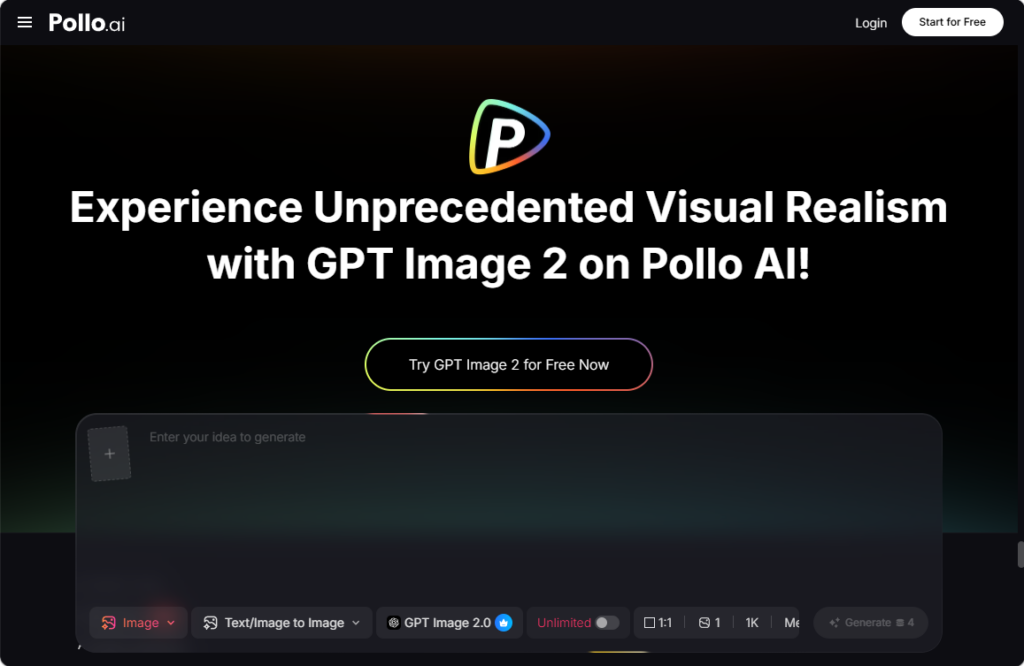
GPT Image 2, available through Pollo AI, generates 4K commercial-quality images in approximately three seconds, with pixel-level editing precision, accurate text rendering, and photorealistic output that avoids the visual artifacts associated with earlier AI image systems. For social media content marketers who need to produce high-quality visual assets at volume — across multiple brands, campaigns, and platforms simultaneously — this capability is not a marginal improvement. It is a structural shift in what is achievable.
Building an AI-Powered Social Content Production System
Step 1 — Map Your Content Requirements by Platform and Format
Before integrating AI tools into your workflow, audit your current content requirements across all active platforms. For each platform, document the content formats you need to produce, the publishing frequency required, the visual quality standard your audience expects, and the current time and cost investment required to meet those requirements.
This audit gives you a clear picture of where AI generation can compress production time and cost most significantly, and where human creative direction remains essential.
Step 2 — Develop Brand-Specific Prompt Libraries
The most efficient AI-powered content production workflows are built around reusable prompt libraries that encode each brand’s visual identity. For each brand or client you manage, develop a set of standard prompt descriptors that capture the characteristic lighting approach, color palette, compositional style, and tonal quality of their visual identity.
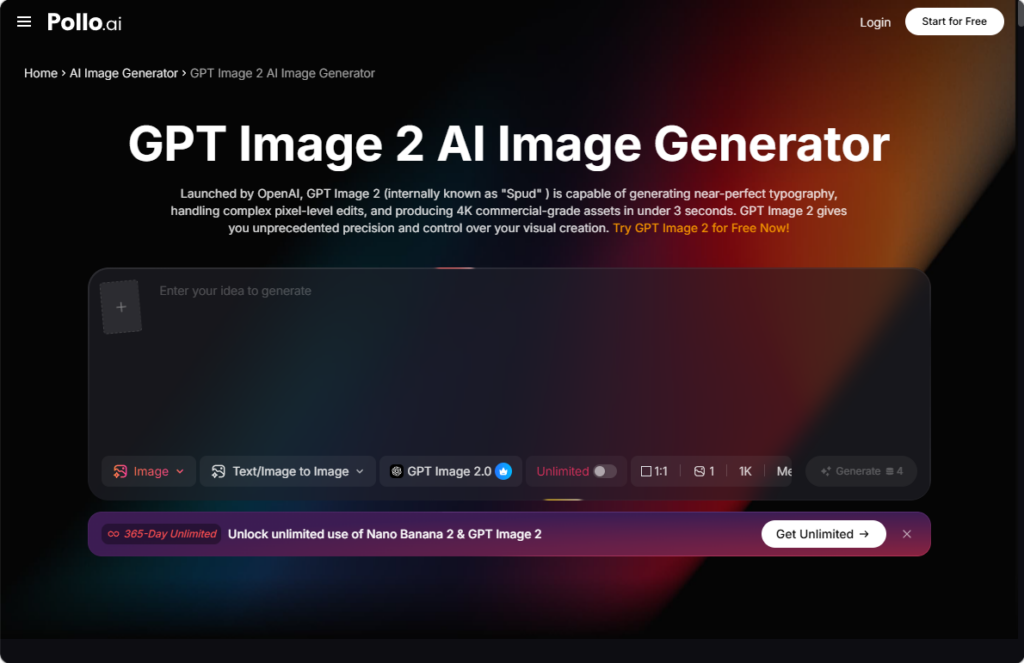
GPT Image 2‘s instruction-following accuracy means that well-developed brand prompt libraries produce consistently on-brand output without requiring extensive iteration for each individual asset. This consistency is essential for maintaining brand coherence across a high-volume publishing schedule.
Step 3 — Integrate Localized Editing Into Your Quality Control Process
Rather than accepting or rejecting generated images wholesale, use the localized editing capability to refine specific elements that do not meet your quality standard. Adjusting a color, modifying a compositional element, or refining a typographic treatment within an otherwise strong image is significantly more efficient than regenerating from scratch.
Step 4 — Scale Video Content Production for Facebook and Instagram
Static imagery drives engagement on feed content, but video content drives discovery through the algorithm — particularly on Facebook and Instagram, where short-form video consistently generates higher reach than static posts.
The Facebook Video Maker tools within Pollo AI allow social media content marketers to convert existing product imagery and brand photography into platform-optimized video content and trending Reels formats without complex editing software. The platform’s AI virtual presenter feature enables rapid video content production that keeps pace with platform trends — critical in a social media environment where trend windows can close within days. Mobile-optimized output ensures your video content performs well on the devices where your audience is most active and most likely to engage.
Step 5 — Build a Performance Feedback Loop
Track the performance metrics of your AI-generated content — engagement rate, reach, click-through rate, and conversion actions — and use that data to refine your prompt libraries and generation approach over time. The brands that extract the most value from AI visual tools are those that treat content performance as a signal for improving their generation approach, not just as a measure of past results.
Campaign-Specific Applications for Social Content Marketers
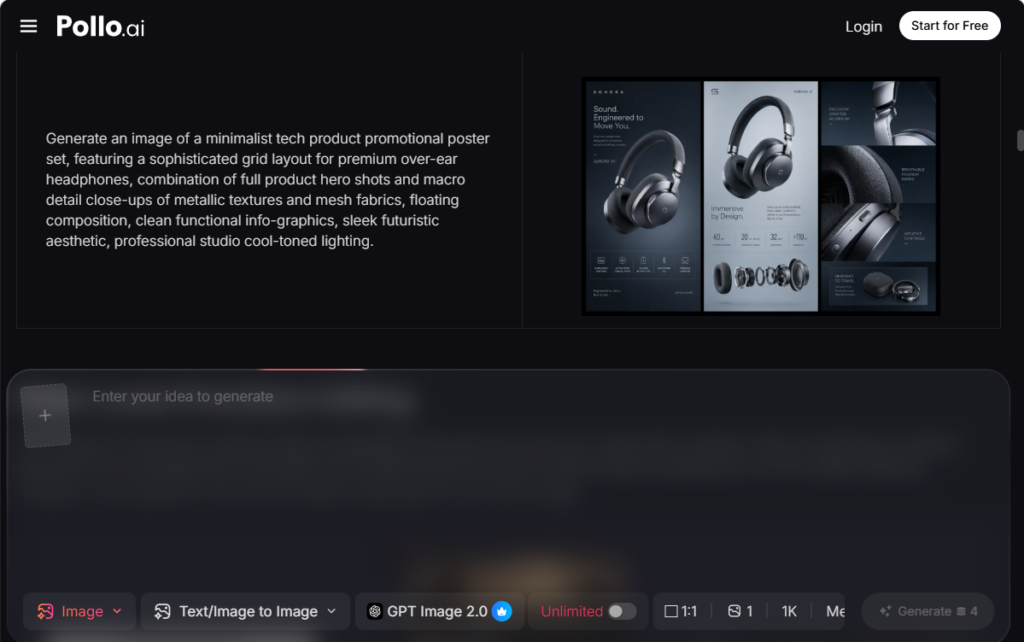
Product Launch Campaigns: Generate a complete visual asset suite — hero images, social thumbnails, story formats, and video content — from a single product brief. GPT Image 2‘s consistent output quality across asset types ensures visual coherence across the full campaign without requiring a unified photography shoot.
Seasonal and Trend-Responsive Content: The speed of AI generation — 4K imagery in approximately three seconds — makes it practical to produce trend-responsive content within hours of a trend emerging, rather than days. This responsiveness is a meaningful competitive advantage in social media marketing, where timing significantly affects content performance.
A/B Testing at Scale: Generate multiple visual interpretations of the same campaign concept and test them systematically. The cost of producing AI-generated visual variations is a fraction of the cost of producing photographed alternatives, making systematic visual A/B testing practical at any budget level.
Measuring the Impact of AI Integration on Content Performance
The most common mistake in AI content tool integration is failing to measure the impact systematically. Establish baseline performance metrics for your current content before integrating AI tools, then track the same metrics after integration to quantify the actual impact on content performance and production efficiency.
Metrics worth tracking include content production time per asset, cost per asset, engagement rate by content type, reach by content format, and conversion rate for campaign-specific content. This data gives you a clear picture of where AI integration is delivering value and where your workflow still has room to improve.
FAQ
- How do I maintain brand consistency when using AI tools across multiple clients?
Develop a separate prompt library for each client that encodes their specific visual identity — color palette, lighting approach, compositional style, and tonal quality. Apply these libraries consistently and review all AI-generated content against each client’s brand guidelines before publishing.
- Can AI-generated content perform as well as traditionally produced content in social media algorithms?
Platform algorithms evaluate content based on engagement signals, not production method. High-quality, relevant AI-generated content that resonates with the target audience performs equivalently to traditionally produced content of similar quality. The key variable is creative quality, not production method.
Conclusion: The Production Model Has Changed — Your Workflow Should Too
The social media content marketing strategies that will generate the strongest results over the next few years are those built around AI-powered production workflows that combine high visual quality with the speed and volume that modern platforms require.
The system in this guide — auditing your content requirements, developing brand-specific prompt libraries, integrating localized editing into your quality control process, scaling video production, and building a performance feedback loop — gives you a framework for capturing the full value of AI visual tools in a professional content marketing context.
Start with one brand, one platform, and one content category. Measure the impact. Refine your approach. Scale what works.