
Update on the Ongoing War Among US, Iran, Israel
Iran asserted that the Strait of Hormuz which is a vital passageway for the global oil flow remains opened except for enemy-linked ships.
Pope Leo XIV previously called for a ceasefire amid the war in the Middle East but United States President Donald Trump did not agree with it. The Supreme Pontiff of the Romantic Catholic Church called on the countries involved in the war to open the lines for dialogue.
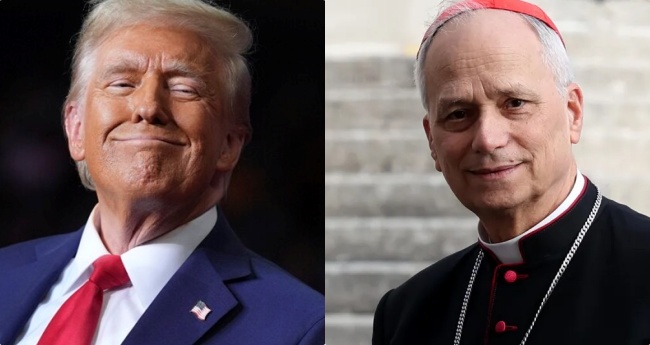
However, as for Trump, the line of communication is open but they are not looking into a ceasefire. The American President previously claimed that they attacked Iran to stop the country for acquiring nuclear power and allegedly destroying not just the Middle East but the world.
The war started after U.S. and Israel launched joint airstrikes against Iran that killed several of its government officials including its Supreme Leader, Ayatollah Ali Khamenei. The Iranian government vowed to avenge the death of its government officials as well as countless civilians who died from the attack of U.S. and Israel.
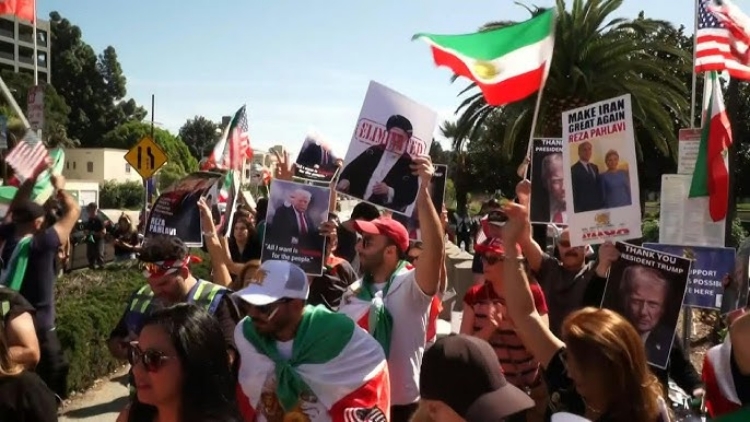
Amid the Middle East war, the Strait of Hormuz which is a vital passage of ships for the global oil flow was limited to countries that are not linked to the United States and Israel. This came even amid the warning of U.S. Pres. Donald Trump that they will hit Iran much harder if it disrupts the global oil flow. Based on a report of News5, the remarks came prior to the warning of Trump that he will blow away the energy facilities in Iran if it refuses for the full-opening of the Strait of Hormuz within 48 hours.
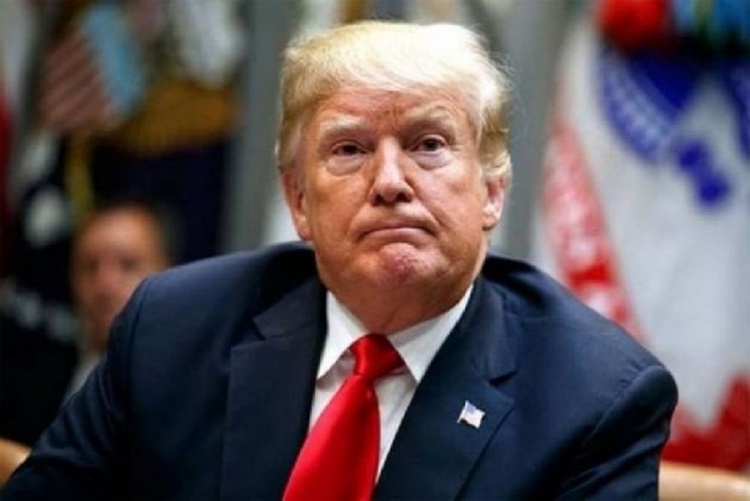
The Strait of Hormuz serves as a critical artery for global energy supplies as it carries nearly one-fifth of the world’s oil. According to the officials in Tehran, their move to limit the passage in the strait is their response to the “hostile actions” of Washington and Tel Aviv.
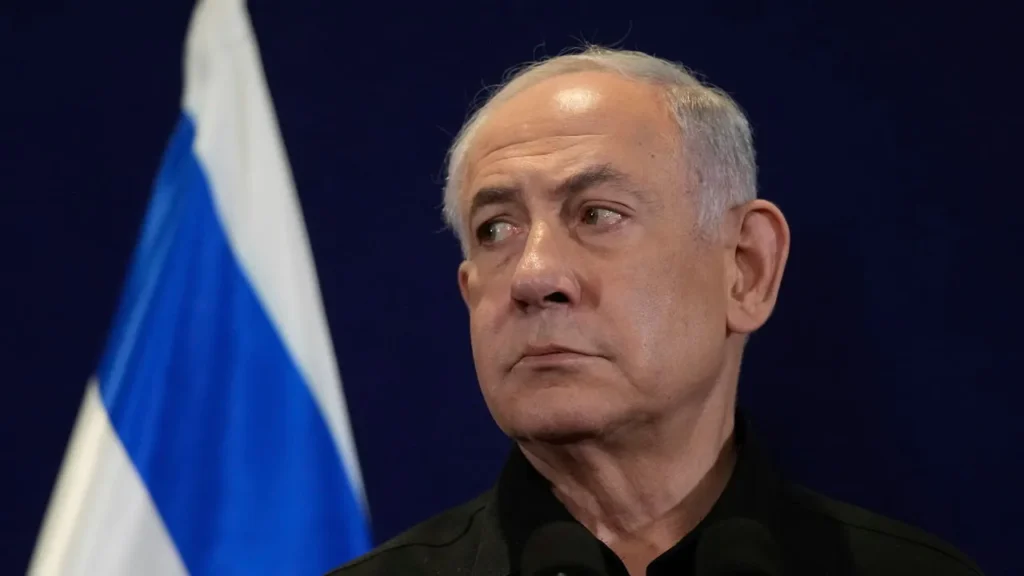
Reportedly, the restrictions in the Strait of Hormuz have already affected the global markets as it leads to the soaring of oil prices. Several countries that rely big on imported fuel like the Philippines are greatly affected by the bigtime oil price hikes.
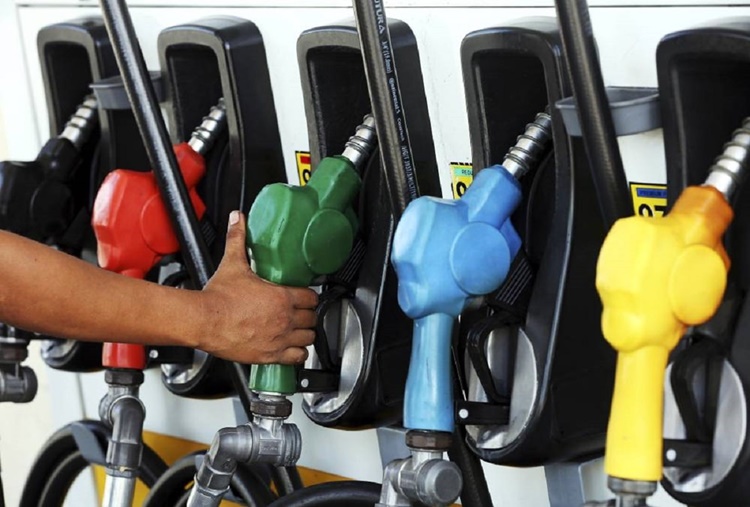
In the Philippines, two (2) bigtime oil price hikes have brought the costs of diesel and gasoline to prices that have never been seen before. It is affecting countless Filipinos most especially the public utility vehicle (PUV) drivers who claim that they can no longer make profits from their routes due to the high pump prices.
In fact, this week, another bigtime oil price hike is expected to take place. Today, a group of drivers will even hold a nationwide strike to call on the government over the huge prices of fuel amid the rising costs of many other products. Previously, Malacañang stressed that the series of oil price hikes is not the fault of Pres. Ferdinand Marcos Jr. and the government.