
Currency traders in the Philippines often hear that “news moves the market,” especially when it comes to inflation data and central bank decisions. Yet many still open positions on instinct as soon as a headline hits the screen. A more organised approach is to treat each month’s inflation release and each Bangko Sentral ng Pilipinas (BSP) policy meeting as scheduled opportunities with a clear blueprint for short term entries.
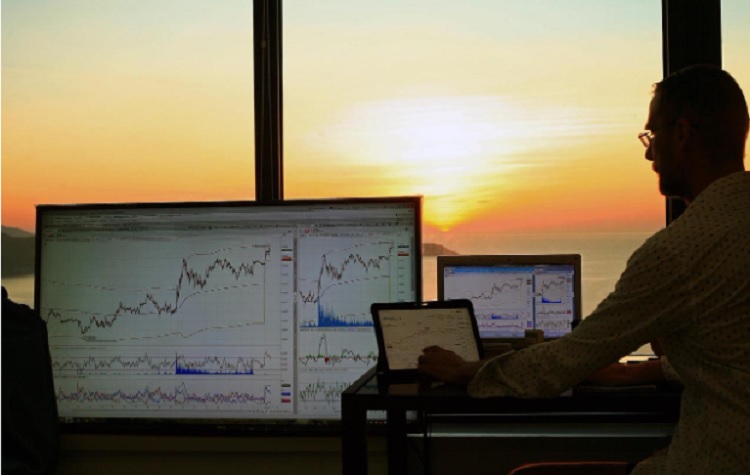
For traders in Manila, Cebu, Davao or Cagayan de Oro, forex trading becomes more structured when you map these events in advance. Instead of reacting emotionally when USD PHP spikes, you already know when important data is due, what the market expects and which price zones you will watch in the minutes before and after the release.
Why Inflation And BSP Meetings Matter For Short Term Traders
In the Philippine context, inflation is not just an abstract economic number. It affects food prices, transport costs and household budgets, so it is closely watched by both the government and the BSP. When inflation overshoots or undershoots expectations, it can change how traders think about future interest rates.
BSP policy meetings then translate that inflation story into real decisions on the benchmark rate. A surprise hike, a cautious pause or a more dovish tone can all influence the peso and regional risk sentiment. Even if you trade major pairs like EUR USD or USD JPY, the mood around emerging market currencies after a BSP decision can ripple across the broader market.
For short term traders, the key point is that these events create temporary windows where volatility, liquidity and sentiment all shift at once. With a clear map, you can decide whether to engage or stand aside.
Building A Philippine Focused Event Calendar
The foundation of any event driven plan is a calendar that speaks to your local reality. Global economic calendars already list Philippine CPI releases and BSP meetings, but you can customise them to your own routine.
Consider noting the following elements in a personal planner or digital calendar:
• Date and time of the Philippine inflation release
• Date and time of BSP policy announcements and press conferences
• Expected inflation figure and market consensus
• Recent BSP communication, such as hints about data dependence or future bias
By doing this, a trader in Quezon City who works office hours or a freelancer in Iloilo who trades evenings can clearly see which days require extra attention. The calendar becomes the backbone of your short term setup planning.
Understanding The Pre Release Positioning Phase
The first important window sits in the hours before the data or decision. Markets often begin to position based on forecasts, rumours or global risk sentiment. Spreads are usually normal, liquidity decent and price action often respects technical levels more clearly than during the release itself.
In this pre release phase you can:
• Mark key intraday support and resistance zones on USD PHP and related pairs
• Identify whether price is already trending strongly in one direction or consolidating
• Decide in advance if you will trade the immediate spike or wait for a secondary move
Many Filipino traders find that their best short term entries come not during the chaos of the headline, but from breakouts or reversals that develop as the market anticipates the number. Having clear levels drawn on the chart and a written rule about what qualifies as a valid setup can help avoid impulsive “pre news” trades.
The Initial Shock Window At Release Time
The most intense period is the first one to five minutes after the headline hits. Spreads can widen, orders may slip and candles can move sharply in both directions. For new traders in the Philippines, this can be an exciting but dangerous time to click.
If you choose to trade during this initial shock window, it helps to have strict guidelines such as:
• Only enter if spread stays below a pre defined maximum level
• Limit position size to a fraction of your normal risk
• Use hard stop losses instead of relying on manual exits
Some experienced traders prefer to skip this window entirely. They watch the reaction instead and wait for a clearer structure to form. For example, they might look for the first pullback after an impulsive move that aligns with the surprise in the data.
Secondary Reaction And Short Term Setups
After the first few minutes, the market often begins to digest the information more calmly. This secondary reaction phase is where many short term setups appear. The initial overreaction may fade, or a strong trend may continue once noise is cleared.
In this phase, you can look for:
• Retests of breakout levels created during the first spike
• Clear rejection candles at key intraday zones
• Short consolidations that break in the direction of the surprise
For example, if inflation comes in much higher than expected and the BSP is seen as more likely to hike in future, the peso may strengthen after a brief spike. When USD PHP pulls back toward a broken support level and then rejects it decisively, a short term trader may find a cleaner entry than during the first seconds after the release.
Connecting BSP Decision Windows With Global Flows
BSP meetings rarely occur in isolation. The Federal Reserve, European Central Bank and other regional central banks often have their own events around similar dates. For Filipino traders who watch both USD PHP and major pairs, it helps to view BSP windows as part of a broader global cycle.
If global markets are already nervous about inflation or interest rates, a hawkish surprise from BSP can amplify risk aversion, pushing money toward perceived safe havens. A more dovish tone in a calm global environment may have a softer impact. Mapping these interactions lets you decide whether to focus your short term setups on local pairs, global majors or a mix of both.
Turning The Map Into A Repeatable Routine
A map is only useful if it becomes part of your regular routine. After each inflation release or BSP meeting, take time to review what happened. Note how price behaved in the pre release, initial shock and secondary reaction windows. Record which setups you took, how execution felt and what you would change next time.
Over several months, this habit builds a personalised playbook for Philippine inflation and BSP events. Instead of guessing, you have concrete notes on how USD PHP and related pairs typically respond. That experience can give Filipino traders more confidence to either engage strategically or choose to stay safely on the sidelines when the next headline arrives.