
Alarming Rise in HIV Cases Raises Concern Across the Philippines
HIV – New data from the Department of Health shows that HIV continues to spread across the country, with thousands of Filipinos testing positive in just the first three months of the year.
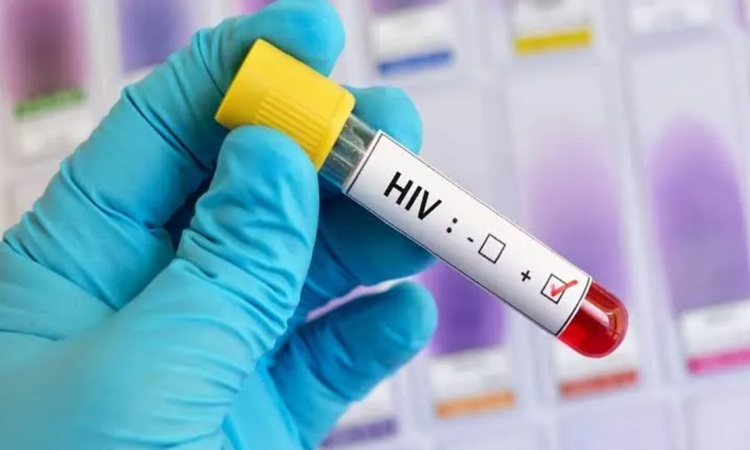
The number of Filipinos testing positive for human immunodeficiency virus (HIV) continued to rise during the first quarter of 2026, with new data from the Department of Health-Epidemiology Bureau (DOH-EB) showing that more than 4,000 cases were recorded nationwide in just the first three months of the year.
According to the DOH-EB, a total of 4,633 new HIV cases were documented across the country during the first quarter of 2026, highlighting the continuing public health challenge posed by the virus.
The report also revealed that 95% or 4,381 of those who tested positive were men, while 5% or 252 were women. The figures reflect a continuing trend in which the majority of reported HIV infections occur among male patients.
By age group, individuals 25 to 34 years old accounted for the highest proportion of new HIV cases, representing 46% of the total. They were followed by those aged 15 to 24 years old, who comprised 31% of the cases. Meanwhile, individuals aged 35 to 49 accounted for 18%, while those 50 years old and above represented 3%.
The National Capital Region (NCR) recorded the highest number of newly reported HIV cases with 989 cases, or 21% of the nationwide total. It was followed by CALABARZON with 808 cases, Central Luzon with 551, Soccsksargen with 277, and the Davao Region with 263 cases.
Since the first HIV case was documented in the Philippines in 1984, the cumulative number of confirmed HIV infections has reached 168,079. Of this total, 158,670, or 94%, were men, while 9,399, or 6%, were women.
The Department of Health also noted that the age profile of individuals being diagnosed with HIV has become progressively younger over the years. While the predominant age group of diagnosed cases was previously 25 to 34 years old, there has been a noticeable increase in infections among younger individuals.
“Diagnose cases are getting younger as predominant age group shifter to 25-24 years old starting 206, and the proportion of cases among 15-24 age group has reached 30% as of 2025,” according to the data.
In addition, the Philippines recorded its youngest HIV-positive cases in 2025, involving a seven-year-old child from South Cotabato and 12-year-old children from Cebu and Palawan.
Health authorities continue to encourage the public to seek HIV testing, practice preventive measures, and access available treatment services. They also emphasize the importance of education, early diagnosis, and reducing stigma to help curb the spread of HIV and ensure that those living with the virus receive proper care and support.
READ ALSO: Russian Vlogger Arrested After Viral Threat to Spread HIV in Philippines