
Deworming Under Discussion After Death of Grade 4 Pupil in Cavite
Deworming becomes one of the most discussed topics online after the death of a Grade 4 pupil, is it safe or dangerous? Here’s what we need to know.
Deworming has become a topic of concern on social media following the death of a Grade 4 pupil in Trece Martires City, Cavite. The incident has raised questions among parents about the safety of deworming medicines and the importance of understanding how they work.
According to the child’s mother, the child began experiencing headaches and vomiting after reportedly taking a deworming tablet given at school. As the child’s condition worsened, fever and stomach pain followed, prompting the family to rush the pupil to a hospital.

Despite medical efforts, the child passed away several hours later. The family believes the deworming medicine may have contributed to the incident and has requested an autopsy to help determine the exact cause of death.
Meanwhile, the Department of Education said initial medical findings pointed to an infection that reportedly progressed into septic shock. Authorities continue to review the circumstances surrounding the case.
According to health experts, deworming is a preventive measure used to treat and control infections caused by parasitic worms. These parasites can live inside the body and take nutrients needed for proper growth and development.
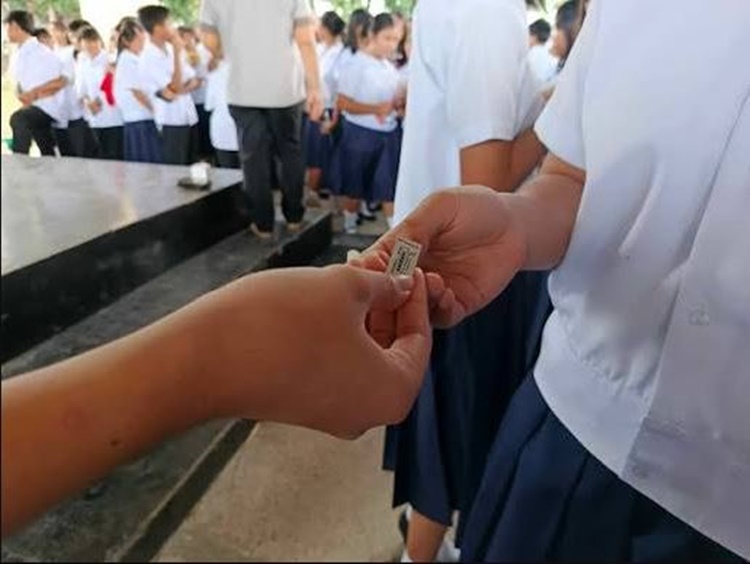
In children, worm infections may lead to malnutrition, weakness, and delays in physical and mental development. To address this problem, the government provides deworming medicines such as Albendazole and Mebendazole.
These medicines are widely used and are considered safe and effective when administered properly. They are often available as flavored chewable tablets to make them easier for children to take.
Health authorities recommend deworming children twice a year, especially those between the ages of 1 and 18 who may be more vulnerable to infection. While side effects are uncommon, some children may experience mild stomach discomfort, headaches, or nausea.
Experts also stress the importance of good hygiene, regular handwashing, proper sanitation, wearing footwear outdoors, and washing food thoroughly to help prevent worm infections and protect children’s health.
RELATED POST: DepEd Confirms Grade 4 Pupil Died After Routine Deworming Activity