
President Bongbong Marcos delivered his SONA 2026, and here are some points worth noting.
PRESIDENT BONGBONG MARCOS SONA 2026 – These are the subjects PBBM focused on in his recent State of the Nation Address (SONA).
The 2026 State of the Nation Address (SONA) of President Ferdinand Marcos Jr. lasted for one hour and 26 minutes. This is the longest SONA of his presidency so far. It surpassed his previous record in 2022, when he delivered his first SONA that lasted one hour and 21 minutes.
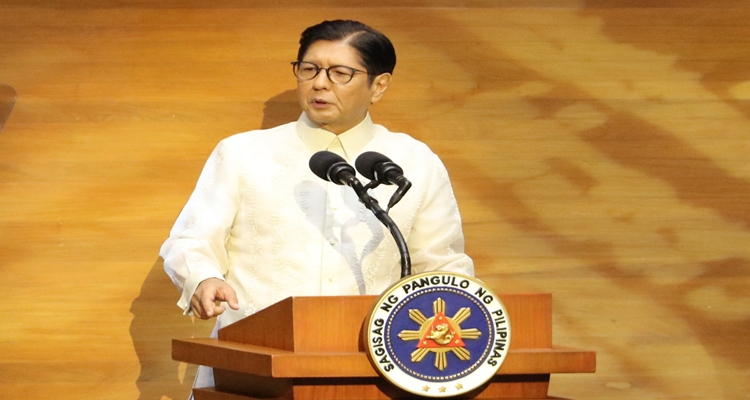
The speech highlighted the achievements of his administration’s first four years while laying out plans for the final two years, focusing on accountability, economic growth, social protection, food and energy security, education, and defending Philippine sovereignty.
Here are some points:
- Anti-corruption efforts and flood control investigation
- The government investigated problems involving flood control projects and found people accused of stealing public money. Some contractors, officials, and lawmakers were charged, and, as per the president, the government recovered billions of pesos and promised to return the money to help Filipinos.
- Government reforms and transparency
- The government started changing the way public projects are handled. It added firmer checks to ensure projects are built properly, cost the right amount, and do not waste taxpayers’ money.
- Response to Middle East conflict and energy crisis
- Because of problems caused by the Middle East conflict, the government helped Filipinos affected by the crisis. Thousands of OFWs were brought home safely, and many received food, money, and other support. The country also worked to make sure there was enough fuel.
- Economic relief and support programs
- The government provided extra help to families, workers, farmers, and small businesses affected by rising prices. It gave support through job programs, rice assistance, lower fees, and easier loan payments.
- Transportation assistance
- The government helped drivers and passengers deal with expensive fuel prices. It provided cash aid, fuel discounts, free rides, and fare discounts while continuing plans to improve public transportation.
- Infrastructure and disaster preparedness
- The government said it is preparing better for disasters instead of only reacting after they happen. It built more emergency facilities, improved disaster response systems, and worked on preventing floods. Marcos highlighted transportation and disaster preparedness projects, including new railway lines, EV initiatives, faster disaster response facilities, and the country’s first planned space launch test in partnership with South Korea.
- Agriculture and food security
- The government supported farmers and fisherfolk by providing tools, technology, insurance, and financial help. It also worked to increase food production and provide land ownership to more farmers. He highlighted continuing the “Benteng Bigas Meron Na” program, proving the government’s efforts to improve food security. He also plans to plant 100 million coconut trees by the end of his term, with 18 million trees already planted.
- Energy security
- The government focused on finding more sources of electricity, including renewable energy and natural gas. It plans to build more power projects and lower electricity costs for Filipino families.
- Employment, social protection, and housing
- The government expanded programs that provide jobs, financial help, and support for workers. It also built more homes and made housing loans easier for Filipinos, including OFWs.
- Education and skills development
- The government increased support for students and workers by providing scholarships, training, and digital skills programs. It also improved schools, helped teachers, and expanded feeding programs for children. He highlighted education reforms, including stronger technical-vocational training in Senior High School, expanded AI skills programs for 1.8 million Filipinos, and the deployment of school counselors to support students’ mental health and protect them from harmful online influences.
- Healthcare improvements
- The government expanded healthcare assistance by making medical services and medicines more accessible. More Filipinos received free or cheaper healthcare, while hospitals and medical training programs continued to improve.
- Foreign relations and economic growth
- The Philippines strengthened relationships with other countries to attract investments and create jobs. The government also promoted industries like technology, manufacturing, and trade.
- National security and territorial rights
- The government promised to continue protecting Philippine territory through peaceful and legal ways. It recognized the efforts of soldiers, the Coast Guard, and Filipino fishermen who protect the country’s waters.
Ending his speech, PBBM said: “Sa nalalabing dalawang taon ng Administrasyon, tatapusin natin ang mga nasimulan, at tutuparin ang ating pangako sa sambayanan. My beloved countrymen, let us continue the work that we have started. To make the Philippines the country that Filipinos deserve. There is no nobler cause than this. We do this for our children. We do this for our future. We can but do this, because we love our country and we love our people.”
What can you say about this? Let us know in the comments!