
The Real Story Behind the Philippines Beloved Dirty Ice Cream
DIRTY ICE CREAM – Many people assume dirty ice cream is unsanitary because of its name, but the truth is far different from what most believe.
The Philippines is widely known as a tropical country, where warm and humid weather is a normal part of everyday life. Because of the country’s climate, Filipinos have long enjoyed a variety of refreshing foods and desserts that help beat the heat. Popular favorites include halo-halo and other cold delicacies that have become staples during the summer season.
Among the country’s most iconic frozen treats is sorbetes, more commonly known as “dirty ice cream.” Despite its unusual nickname, this street food favorite continues to win the hearts of generations of Filipinos.
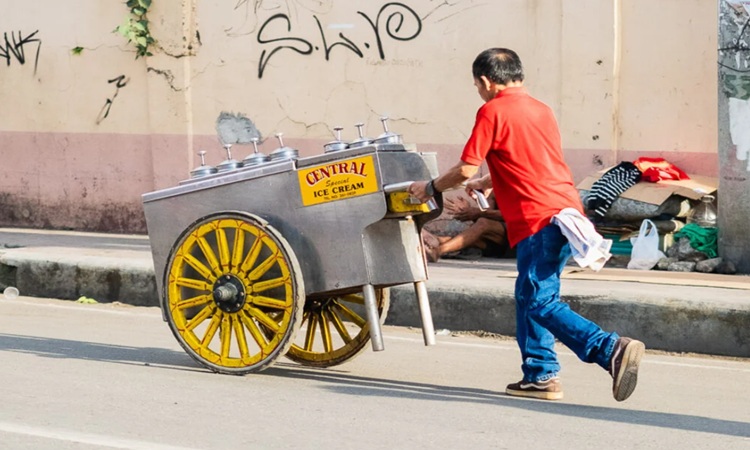
But what exactly is dirty ice cream?
According to the page Gourmet’s Art, dirty ice cream is also called “Flavor of the Road.” It is traditionally made from cow’s milk or coconut milk and is commonly sold by street vendors, locally known as sorbeteros, who travel around neighborhoods using bicycles or push carts.
Meanwhile, Flip Science explains that some versions of sorbetes are made from carabao’s milk and are mixed with a variety of flavors such as cheese, chocolate, ube, mango, and jackfruit. These unique flavors have helped make the dessert one of the country’s most recognizable street foods.
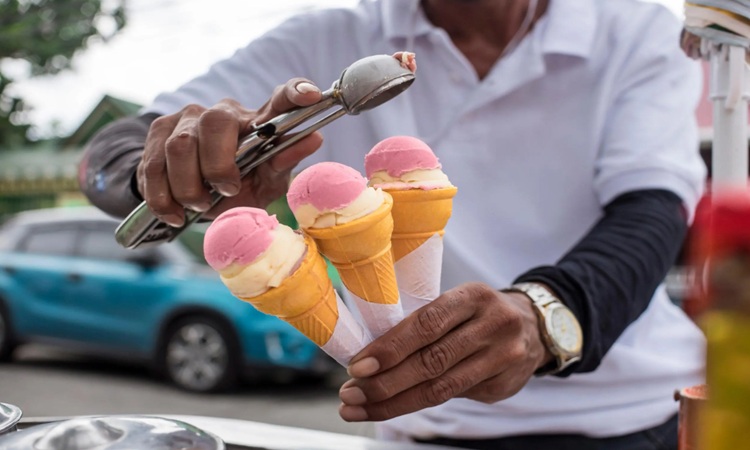
So why is it called dirty ice cream? Is it actually dirty?
Based on the cited sources, dirty ice cream or sorbetes is not dirty. According to their explanation, the nickname came from its “rough texture” rather than its cleanliness.
The sources also noted that the term may have originated from the common notion that products sold on the streets, including sorbetes, are less sanitary than those sold in commercial establishments. Another possible reason is its constant “exposure” to dust, pollution, and other elements while vendors travel through different streets to sell the frozen dessert.
Despite these long-standing perceptions, the sale of sorbetes remains legal and continues to thrive across the Philippines. Sorbeteros can still be seen serving their signature treats to customers of all ages, especially children who eagerly wait for the familiar sound of the vendor’s bell.
Whatever stories or misconceptions surround dirty ice cream, one thing remains certain—it has become an enduring part of Filipino culture. More than just a refreshing dessert, sorbetes represents childhood memories, community traditions, and a uniquely Filipino way of enjoying a simple yet timeless treat.
READ ALSO: Filipino Ice Cream: Entrepreneur Urges To Avoid Calling It ‘Dirty Ice Cream’