
Pulse Asia released the recent trust rating of Bongbong Marcos and Sara Duterte
A recent survey of public opinion polling body Pulse Asia indicated that the approval rating of President Bongbong Marcos has dipped below 50 percent over the last quarter.
In contrast, Vice President Sara Duterte continues to maintain majority support, with approval remaining the most common sentiment regarding her performance, based on the report from GMA News Online.
Between February 27 and March 2, 2026, Pulse Asia conducted the face-to-face interviews for this nationwide study. The sample included 1,200 adults (18+), providing a ±2.8 percent margin of error at a 95 percent confidence level.

It was also stated in the latest survey that 36 percent of respondents approved of the performance of the President, compared with 55 percent who approved of the VP Sara’s work.
Regionally, the President only secured a majority approval in Luzon (excluding Metro Manila) at 54 percent. Then, dissatisfaction was most pronounced in the south, with disapproval peaking in Mindanao at 73 percent and the Visayas at 61 percent.
On the other hand, the Vice President received strong approval ratings in Mindanao, with 95 percent. She received 72 percent in the Visayas, while among lower-income groups, she got 81 percent in Class E (representing the poorest households) and in Class D (referring to the lower-middle or working class), she got 57 percent.
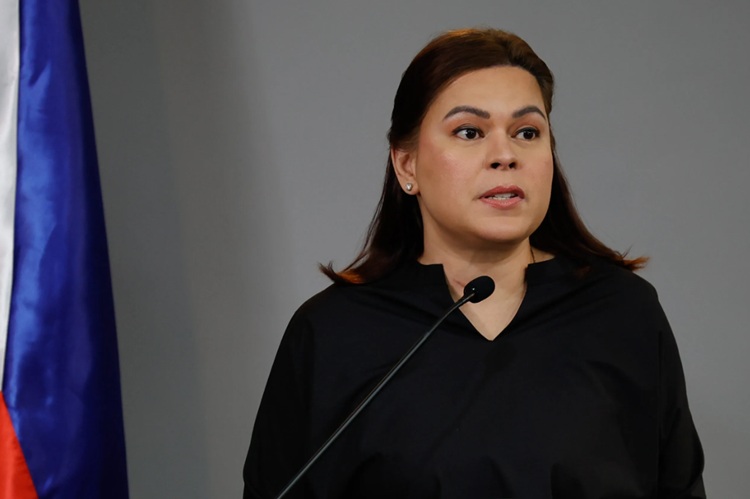
The survey also stated that half of the adults in Metro Manila gave Vice President Sara Duterte a 50 percent approval rating, while she got a 44 percent disapproval rating in the rest of Luzon.
Based on the national level, the President got 44 percent of the respondents who distrust him, while 35 percent expressed trust, and 21 percent said that they were undecided.
For the Vice President’s trust rating, 54 percent of the respondents approved her, while the level of distrust was slightly higher than ambivalence, which was 26 percent versus 20 percent.