
DepEd Three-Term School Year Plan Faces Tough Questions in Congress
DEPED – A major change in the school calendar is under the spotlight as lawmakers grill DepEd officials over the proposed three-term school year.
The Department of Education’s (DepEd) proposal to transition from the current four-quarter academic calendar to a three-term school year came under close examination during a recent House Committee on Basic Education and Culture hearing. Lawmakers and teachers’ groups raised concerns, prompting education officials to clarify that the plan is still being studied and has not yet been finalized for School Year 2026–2027.
DepEd Undersecretary for Learning Systems Strand Carmela Oracion emphasized that the shift, sometimes casually referred to as a “trimester,” remains in the consultation phase. She explained that the department intentionally avoids the term to prevent confusion with college-level systems.

“The reform is designated to create an environment that prioritizes teaching and learning, cultivates character through well-planned co-curricular and extracurricular activities, and strengthens the learner’s overall well-being. This is on the proposal stage, Mr. Chair, and consultations are currently ongoing,” Oracion said.
According to DepEd, the proposed change will not modify the June-to-March academic calendar or the mandated 201 school days. Instead, the department argues that the current four-quarter structure results in repeated academic transitions and compressed grading cycles that interrupt teaching momentum.
“Current four-quarter calendar creates frequent academic transitions, compressed grading cycles, and recurring disruptions. And even when the statutory number of days is met, actual instructional flow is repeatedly interrupted,” Oracion said.
Under the proposal, a two-week break would follow each term. These intervals are intended for remediation, enrichment activities, teacher training, wellness programs, and major events like Palarong Pambansa and the National Schools Press Conference.
However, lawmakers questioned whether these adjustments could be implemented without restructuring the calendar. Committee chairperson Representative Roman Romulo pressed the issue: “Why can’t you do that now with four quarters? That’s the basic question,” he said.
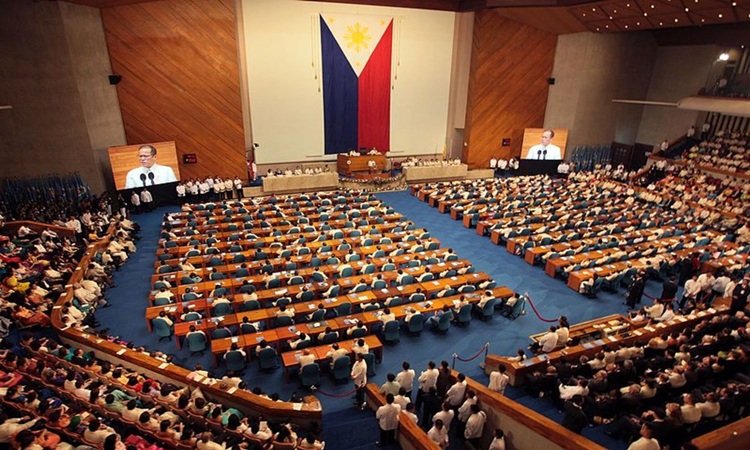
Romulo also raised concerns about placing remediation during breaks. “So, during the regular class hours, a grade 4 student who is not grade 4 reading ready will remain in that class? So, wala rin mangyayari sa kanya, hindi rin niya maintindihan. Hihintayin niya na matapos iyong sem. So you’re not fixing the problem, actually,” Romulo said.
Teachers’ organizations echoed skepticism. Ruby Bernardo of the Alliance of Concerned Teachers cited survey findings: “Batay po talaga sa survey na ginawa namin, composing of 10,000 teachers across Philippines po, sinasabi na 61 percent po dito talaga ay hindi pa kumbinsido at sigurado kung makakatulong po ito,” Bernardo said.
She added that 80 percent doubt the plan would reduce workload. Meanwhile, a private school official shared a positive experience with a semestral setup during the pandemic, saying, “Napakagaan po. Kasi iyong first semester, ang tinuro namin, tatlong subject lang… Na-lighten iyong kanilang daily learning materials, na-lighten din iyong sa teachers, and then, it was very successful.”
In response, Oracion assured lawmakers that a more detailed implementation plan would be submitted to Congress next week.
READ ALSO: DepEd Sets Major Classroom Repairs After Calamity Damage Under 2026 Budget