
India confirms two Nipah virus cases, and here are some details about the virus.
NIPAH VIRUS – Confirmed cases of the deadly virus have sparked concern in parts of Asia, and here are some things to know about it.
Some countries are now fortifying border crossings due to the Nipah Virus, a kind that is said to be worse than COVID 19. An outbreak in India has sparked worry in other parts of Asia, as reportedly, Nipah’s fatality rate can reach up to 75 percent.
According to the World Health Organization (WHO), the case fatality rate is estimated at 40% to 75%. This is a “zoonotic virus (it is transmitted from animals to humans) and can also be transmitted through contaminated food or directly between people.”
An infected person can suffer from a range of illnesses, from asymptomatic (subclinical) infection to acute respiratory illness and fatal encephalitis. This can be severe in animals such as pigs, which may cause significant loss to farmers.
Nipah was first recognized in 1999 in Malaysia when an outbreak occurred among pig farmers. No new outbreaks have been reported in Malaysia since 1999. It was also recognized in Bangladesh in 2001, and nearly annual outbreaks have been reported in the country since then.
Transmission
In most cases during the outbreak in Malaysia, which also affected Singapore, the infected people got the infection from direct contact with sick pigs or their contaminated tissues. Transmission is believed to have occurred through unprotected exposure to pig secretions or direct, unprotected contact with the tissues of infected animals.
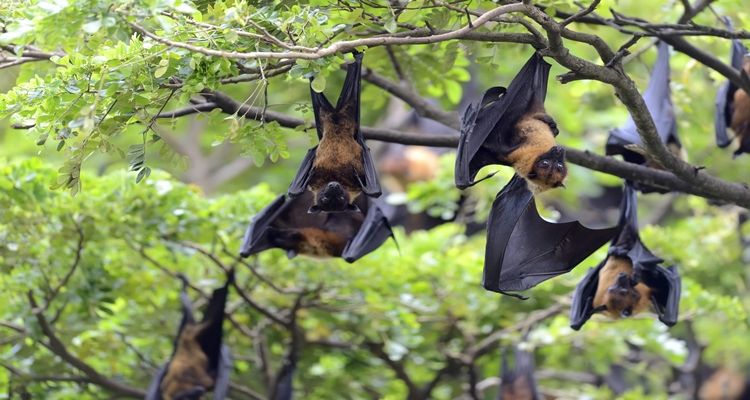
In Bangladesh and India, consuming fruits or fruit products (such as raw date palm juice) that contain the urine or saliva from infected fruit bats was likely the cause of infection.
As per the WHO, “Human-to-human transmission of Nipah virus has also been reported among family and caregivers of infected patients.”
Signs and symptoms
Initially, infected people may suffer from:
- fever
- headaches
- myalgia (muscle pain)
- vomiting
- sore throat
These will be followed by the following:
- dizziness
- drowsiness
- altered consciousness
- neurological signs that indicate acute encephalitis
Some may also experience atypical pneumonia and severe respiratory problems, including acute respiratory distress. In severe cases, encephalitis and seizures may occurprogressing to coma within 24 to 48 hours.
The incubation period ranges from 4 to 14 days.
Currently, there are no drugs or vaccines specifically created to treat the Nipah virus yet. WHO Research and Development Blueprint has identified this as a priority disease.
What can you say about this? Let us know in the comments!