
Here are the symptoms, causes, and risk factors of kleptomania
KLEPTOMANIA – This is a rare but serious mental disorder which is identified as the recurrent inability to resist urges to steal items just for the sake of satisfaction.
Kleptomaniacs do not need the things they steal but since they an impulse control disorder, they can’t stop the urge to do the act. Most of them are living a life in secret shame because they are afraid to seek help for their mental health disorder.
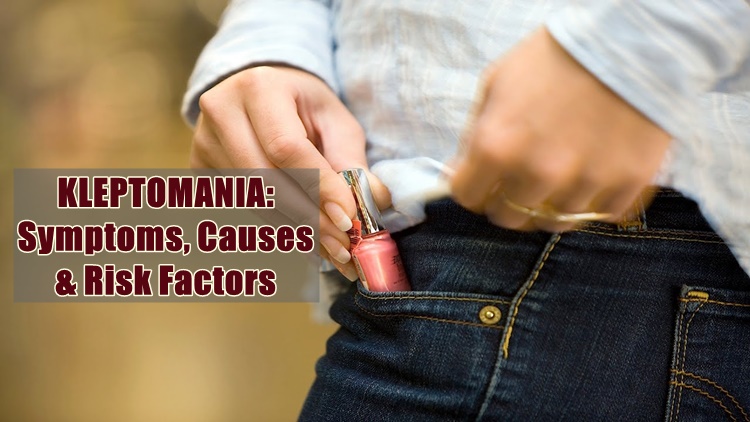
SYMPTOMS
Here are the symptoms of kleptomania, according to Mayo Clinic:
- Inability to resist powerful urges to steal items that you don’t need
- Feeling increased tension, anxiety or arousal leading up to the theft
- Having the feeling of pleasure, relief or gratification while stealing
- Feeling terrible guilt, remorse, self-loathing, shame or fear of arrest after the theft
- Return of the urges and a repetition of the kleptomania cycle
Kleptomaniacs often exhibit these characteristics:
- Stealing just because of the powerful urge they can’t resist
- Occurs spontaneously and without the help of other people
- Most of them steal in public places such as stores and supermarkets while others are at a party
- The stolen item is usually no value for the kleptomaniacs and they can afford to buy one for them
- They may just ditch the item, give it to other people, donate or return it to where they took it
- The urges to steal may vary in intensity and it can come and go
CAUSES
A problem in brain chemical serotonin
Seratonin is a brain chemical that is known to be a neurotransmitter. It helps regulate moods and emotions. Having low levels of serotonin can lead to impulsive behaviors.
Addictive disorders
Dopamine, another neurotransmitter, may be released during the act of stealing. This causes pleasurable feelings and some people seek this rewarding feeling, repeatedly.
Opioid system of the brain
The opioid system regulates the urges of a person and the imbalance of this can lead to uncontrolled urges.
RISK FACTORS
According to the article, kleptomania often manifests during the teen years or early adulthood. Women occupy two-thirds of the known people who are kleptomaniacs. Family history could be a risk factor of this mental disorder if you have a first-degree relative, such as a parent or sibling, with kleptomania. Having another mental illness could also be a risk factor. Some people who are kleptomaniac are diagnosed with bipolar disorder, anxiety disorder, an eating disorder, substance use disorder or a personality disorder.
Since kleptomania’s cause is not clear, it is not yet known how to prevent this. However, early detection and seeking the help of a doctor can prevent this from becoming worse. Thus, the negative effect may also be prevented.
READ ALSO: Narcissistic Personality Disorder: Signs, Causes & Risk Factors